 137 7193 6052 徐女士
 hrm@mingdesign.cn
 苏州市姑苏区朱家湾街8号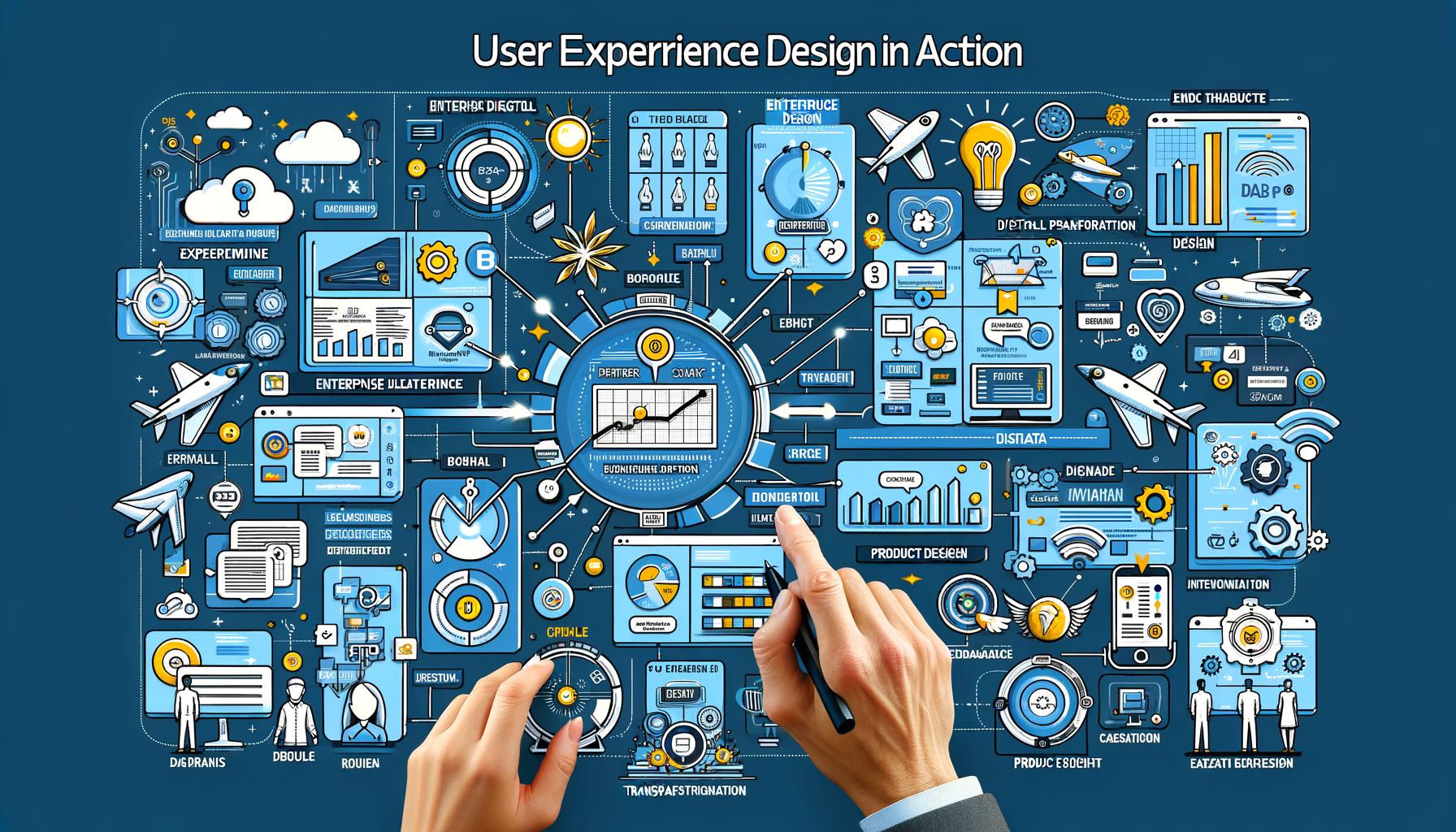
在当今数字化时代,企业数字化转型已经成为市场竞争的关键之一。在这个过程中,用户体验设计创新变得愈发重要。本文将重点探讨企业数字化转型中B端和C端产品的视觉与动效设计,探讨如何通过创新的用户体验设计提升企业竞争力。
内容概要
企业数字化转型的关键意义与挑战
企业数字化转型是当今企业发展的必由之路。在数字化转型过程中,用户体验设计创新变得至关重要,尤其是在B端和C端产品的视觉与动效设计方面。B端产品需要更加注重功能性和效率,而C端产品则需要更具吸引力和易用性。
提供优质的用户体验设计对企业数字化转型至关重要,但也伴随着一些挑战。首先,设计团队需要充分了解用户的需求和行为,以确保设计方案能够满足用户的期望。另外,随着技术的不断进步,不断更新和改进用户体验设计也是一大挑战。
为了应对这些挑战,企业需要建立具有创新精神的设计团队,并与技术团队密切合作。同时,加强与用户的沟通和反馈,不断优化用户体验设计。只有如此,企业才能在数字化转型中取得成功。
常见问题
Q: 什么是企业数字化转型中的用户体验设计创新?
A: 用户体验设计创新是指企业在数字化转型过程中不断优化和改进产品的用户体验,以提升用户满意度和使用体验。
Q: B端和C端产品在视觉与动效设计上有何区别?
A: B端产品通常更注重功能性和效率,视觉设计会更加专业和稳重;C端产品则更注重情感化和娱乐性,视觉设计会更加丰富多彩。
Q: 为什么在企业数字化转型中重视用户体验设计创新?
A: 用户体验设计创新可以提升产品的竞争力,增加用户的粘性和忠诚度,从而实现商业价值最大化。
Q: 在数字化转型中,如何进行成功的用户体验设计创新?
A: 成功的用户体验设计创新需要不断了解用户需求和行为,进行用户研究和测试,以及与技术团队、市场团队等部门紧密合作。
Q: 企业数字化转型中用户体验设计创新的未来趋势是什么?
A: 未来趋势可能包括更加个性化和智能化的用户体验设计,以及更好地融合虚拟现实、增强现实等新技术。
结束语
希望通过本文的介绍,您能更深入了解企业数字化转型中用户体验设计创新的重要性,特别是在B端和C端产品的视觉与动效设计方面。无论是面向企业还是消费者,优秀的用户体验设计将成为企业成功的关键。在数字化转型的过程中,不断创新和优化用户体验设计,将帮助企业赢得更多用户的喜爱和信任。让我们共同努力,为用户带来更好的产品体验,为企业带来更大的成功!感谢您的阅读。
In the age of digitalization, user experience design innovation plays a crucial role in the transformation of enterprises. Particularly in the realm of B2B and B2C products, visual and motion design are key components that can significantly impact the overall user experience.
User experience design is the process of enhancing user satisfaction by improving the usability, accessibility, and pleasure provided in the interaction between the user and a product. In the context of digital transformation for businesses, user experience design is essential for creating products that not only meet the needs of customers but also differentiate a company from its competitors.
Visual design is a fundamental aspect of user experience design that involves the aesthetic appeal of a product. It includes the use of color, typography, imagery, and layout to create a visually appealing interface that captures the attention of the user. In the digital realm, visual design also plays a critical role in establishing brand identity and conveying the company’s values to its target audience.
Motion design, on the other hand, involves the use of animations, transitions, and interactive elements to enhance the user experience and guide the user through the product. Motion design can help create a seamless and engaging experience for users by providing visual feedback, indicating hierarchy, and adding personality to the product.
When it comes to B2B products, visual and motion design are essential for conveying professionalism and reliability to business users. A clean and polished visual design can instill confidence in users and help them navigate complex workflows more efficiently. Motion design can also simplify the user experience by providing visual cues and feedback that guide users through the product.
On the other hand, B2C products often focus on creating an emotional connection with consumers through visually engaging designs and captivating animations. Visual design in B2C products is often used to evoke a specific mood or feeling that resonates with the target audience. Motion design, on the other hand, can enhance the overall experience by creating a sense of fluidity and interactivity that keeps users engaged.
user experience design innovation, particularly in the realms of visual and motion design, is essential for the successful digital transformation of enterprises. By investing in visual and motion design for both B2B and B2C products, companies can create products that not only meet the needs and expectations of users but also set them apart in a competitive marketplace. Ultimately, user experience design innovation is crucial for building customer loyalty, increasing user engagement, and driving business growth in the digital age.